Your paint colour never looks the same as the tester pot, and it's not your fault. Find out how room orientation changes every shade, with picks for north, south, east and west facing rooms.
Why Your Paint Colour Looks Different Than You Expected
Your tester pot looked perfect on the wall at 11am. By 6pm it had turned into a completely different colour. Blame the direction your windows face, not the paint.
The direction your room faces controls the quality of light hitting your walls. And that quality is what changes how every paint colour reads, regardless of how expensive the tin was.
This is why I go on about room orientation before anyone buys a tester pot. If you get it wrong, your soft cream kitchen can end up looking like the inside of a lemon.
What Orientation Means
Orientation means the direction your windows face: north, south, east or west. Each direction gets a different quality of natural light, not more or less of it, just a different feel entirely and the quality of natural light will always impact how your paint colours appear.
North Facing Rooms: Best Paint Colours
Light here is flat and grey. No direct sunshine reaches these windows, so even a bright room sits under a cool, dull light all day.
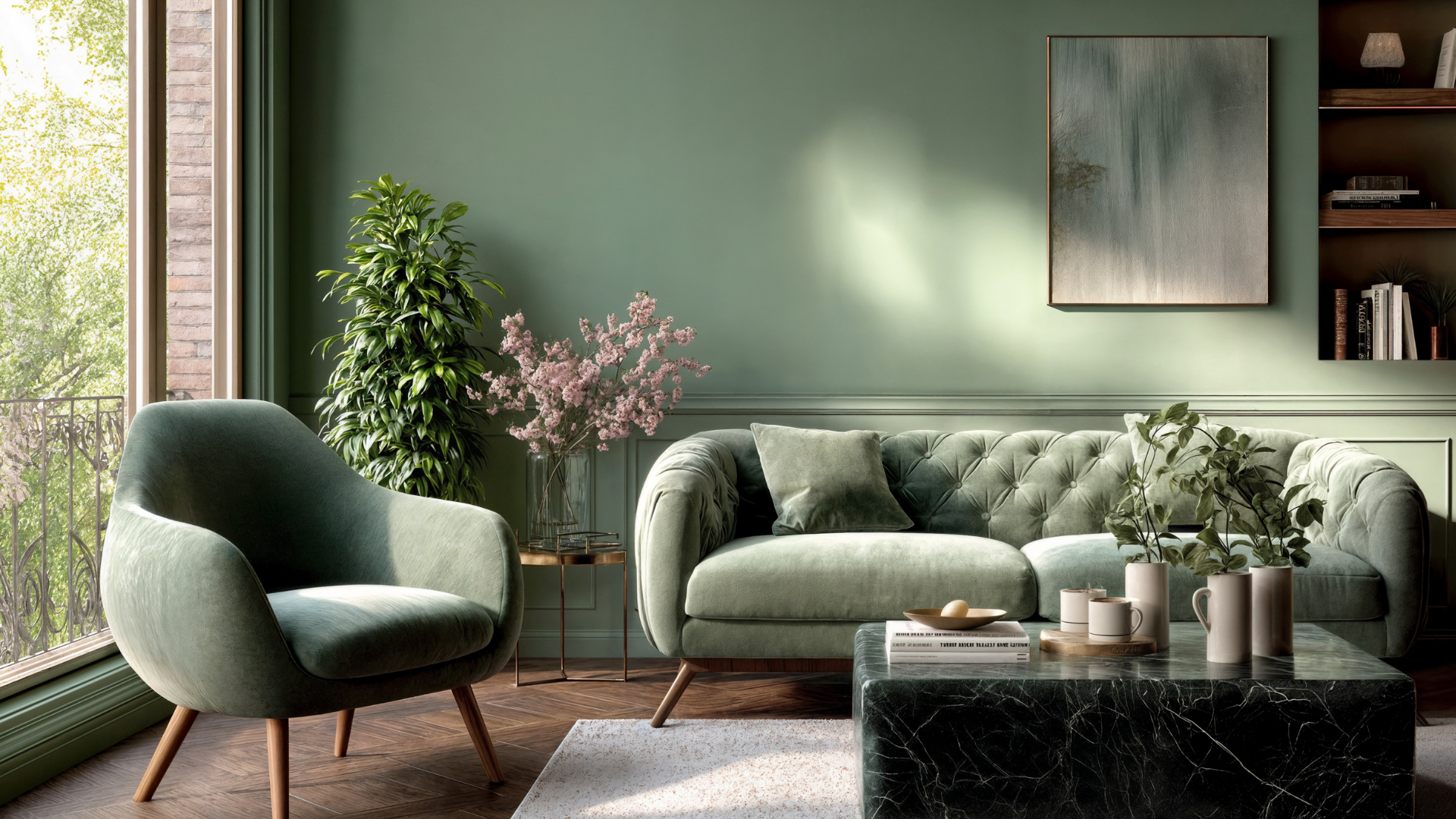
That flattens your paint colour and drags out any grey undertone. A soft grey green will read more grey here. White turns dingy instead of crisp.
Pick a warm neutral with a yellow or red undertone. Skip anything with grey in the base, the room is ‘grey’ and dull already.
East Facing Rooms: Best Paint Colours
Mornings here are gorgeous. Sun streams in low and warm, throwing deep shadows and an almost glowing light. By afternoon, that same room goes flat and cool.
So your paint colour genuinely looks like two different colours depending on the time of day.
If you use the room mostly in the morning, lean into soft blues and greens, they'll glow. If you're only ever in there in the afternoon, go warmer to make up for the flatter light.
South Facing Rooms: Best Paint Colours
These rooms get warm, even light for most of the day, peaking around midday.
That warmth amplifies anything warm already in your paint. A neutral you thought was perfectly balanced can tip into buttery yellow on the wall. A grey green leans more green here, the opposite of how it behaves in a north facing room.
Go cooler and more muted to balance the warmth. Pale shades can wash out completely under strong midday sun, so pick a shade deeper than you think you need.
West Facing Rooms: Best Paint Colours
Dim and shady for most of the day, then a dramatic shift in the afternoon as low sun pours in.
If you use the room mainly in the afternoon, you've got the easiest brief on this list. Almost any colour works. Deep coral and terracotta are stunning here, the evening light makes them sing.
If you're only ever in the room in the morning, stick to paler shades with a yellow, pink or peach undertone. They keep the room feeling warm without any direct sun to help.
No Two Rooms Are Identical
Orientation is a guide, not a rule.
Climate matters too. UK weather rarely delivers strong, harsh sun, so warm colours don't tip into overwhelming the way they might somewhere hotter. That shifts the brief slightly depending on where you live.
The One Thing That Matters
Test your colour on the actual wall, at the time of day you'll use the room, before you commit to five litres. Paint a sample directly onto the wall, not onto paper, and check it in the morning, at midday and in the evening.
Orientation tells you what to expect. Testing tells you what you're actually getting. Skip the test and you're gambling with a colour you might be living with for years.